Start with the installation details
Keep the quote, invoice, product information and any care instructions together. Record the fence material, finish and colour if known. Include gate hardware details and any servicing information supplied with the installation.
For an older fence, write down what you can confirm and label anything uncertain. Avoid guessing the coating or timber treatment from appearance alone. If you find a leftover product container, photograph the label and keep that image with the records.
Create a simple photo baseline
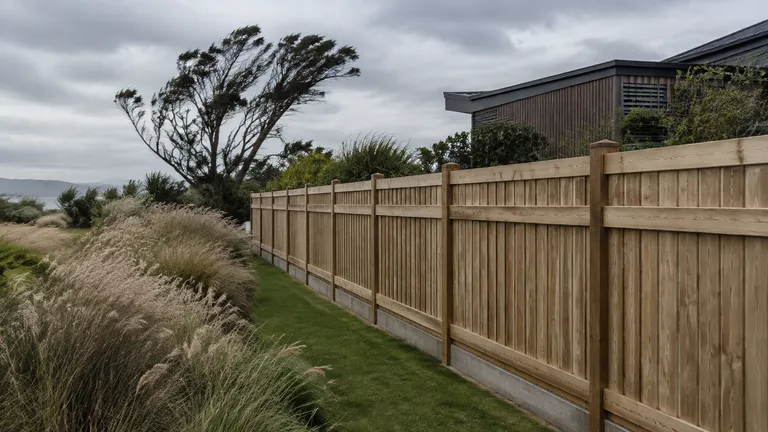
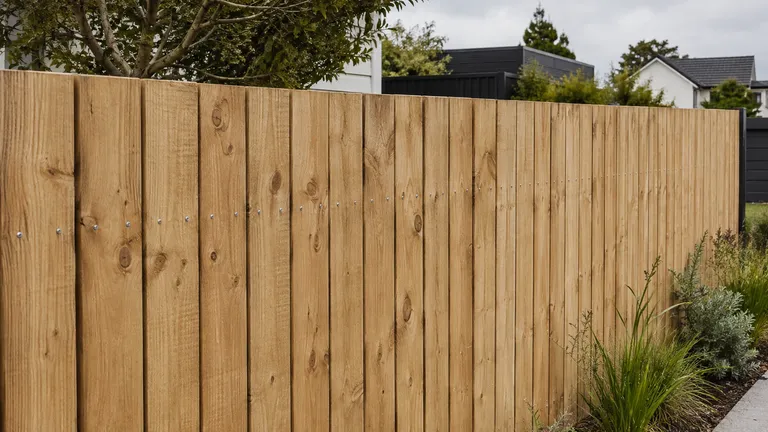
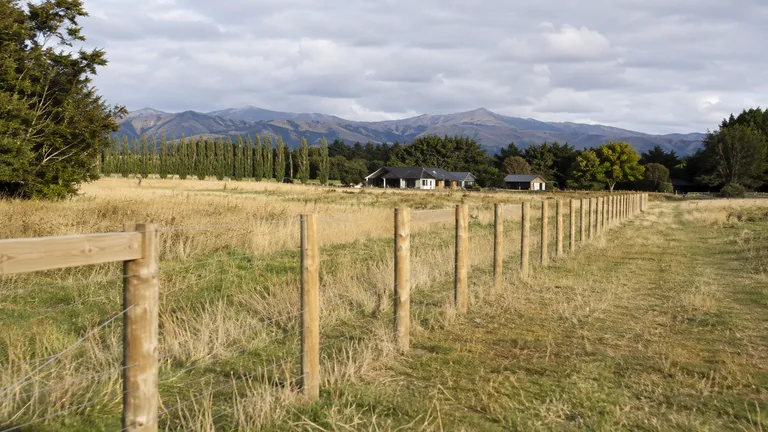
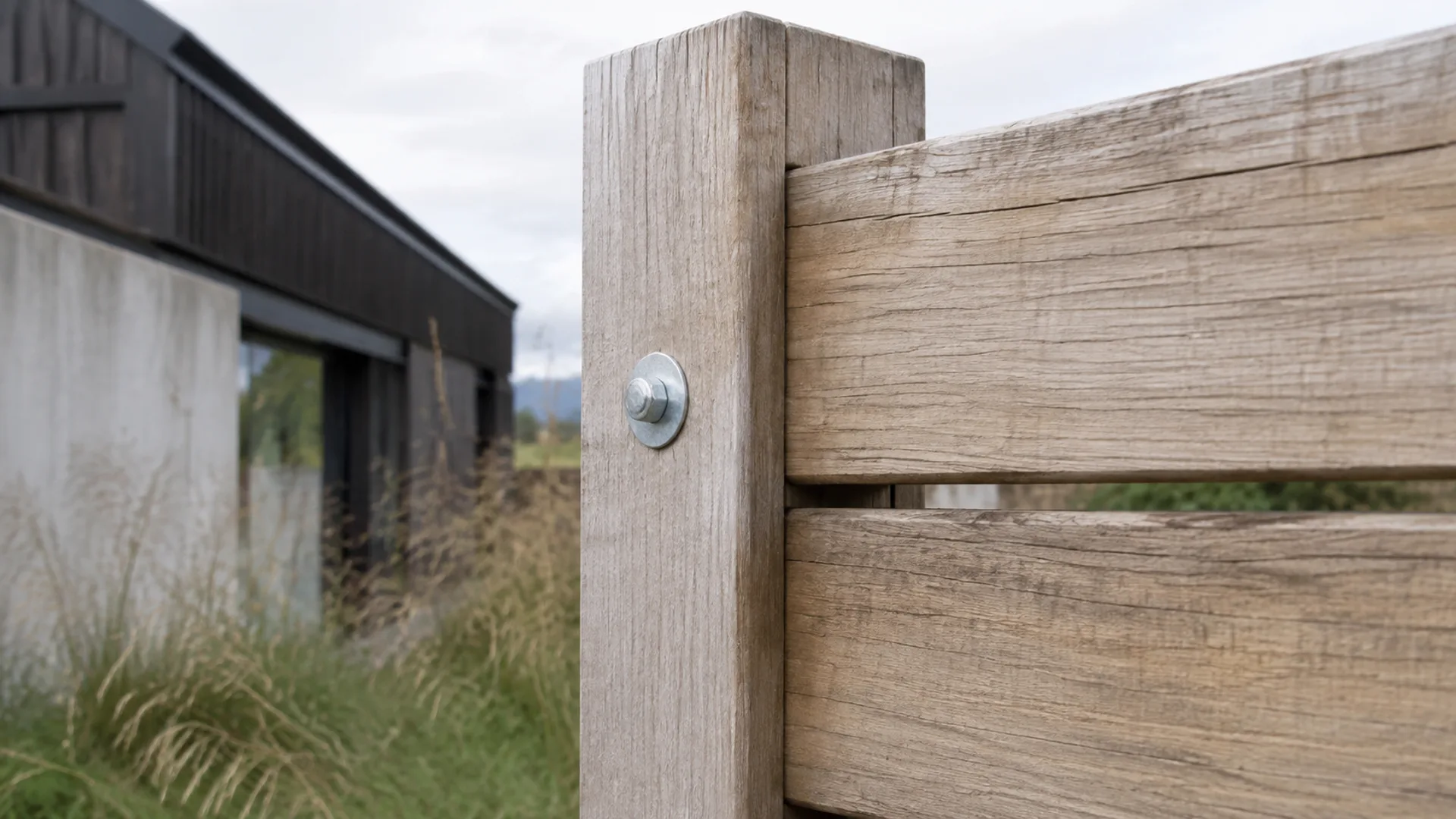
Photograph each stretch of fence from a position you can return to. Take an overall view and closer images of gates, corners and any areas you want to monitor. Give each section a plain name, such as front gate, driveway boundary or rear garden.
Include the date in your folder or file names. When you repeat the photographs, use a similar angle and distance so the images are easier to compare. Keep the original files instead of relying only on cropped screenshots sent in a message.
Describe what you see without diagnosing it
Useful notes are specific: the side gate catches at the bottom, a board has a new split, or water remains beside one post after rain. Record the location and when you first noticed the change. Separate observations from questions you want a contractor to answer.
You do not need to determine the cause yourself. A photograph may help explain an issue but cannot establish the condition of hidden components. If a section appears unstable, keep clear and arrange an assessment rather than testing it by pushing or climbing on it.
Log cleaning, coatings and repairs
After maintenance, note the date, the area worked on and the products used. Save the manufacturer's instructions alongside the entry. For coatings, include the colour and product name so a future discussion starts with the actual finish rather than a visual guess.
If a contractor replaces hardware or boards, keep the invoice and record which section was repaired. Take an updated photo. This helps distinguish completed work from items that still need attention at the next inspection.
Use a repeatable inspection note
Copy this short format into your phone or a notebook for each visit around the boundary:
- Date and fence section.
- Photo file names or links.
- What looks different since the last check.
- How the gate opens and closes during normal use.
- Cleaning or repairs completed.
- Questions and follow-up actions.
Combine these notes with our seasonal maintenance checklist. After a spell of rough weather, add relevant observations once it is safe to inspect, using our wild-weather guide as a further starting point.
Share the relevant history when asking for help
When requesting a visit, send an overall photo, a close-up of the concern and a brief explanation of what has changed. Mention earlier work in the same area and provide known product details. A concise record helps the contractor understand your request before seeing the property.
If your notes highlight a recurring problem or you want to discuss the next step, contact Christchurch Fencing. Keep the outcome of that conversation with your records so your next check begins with the latest information.